
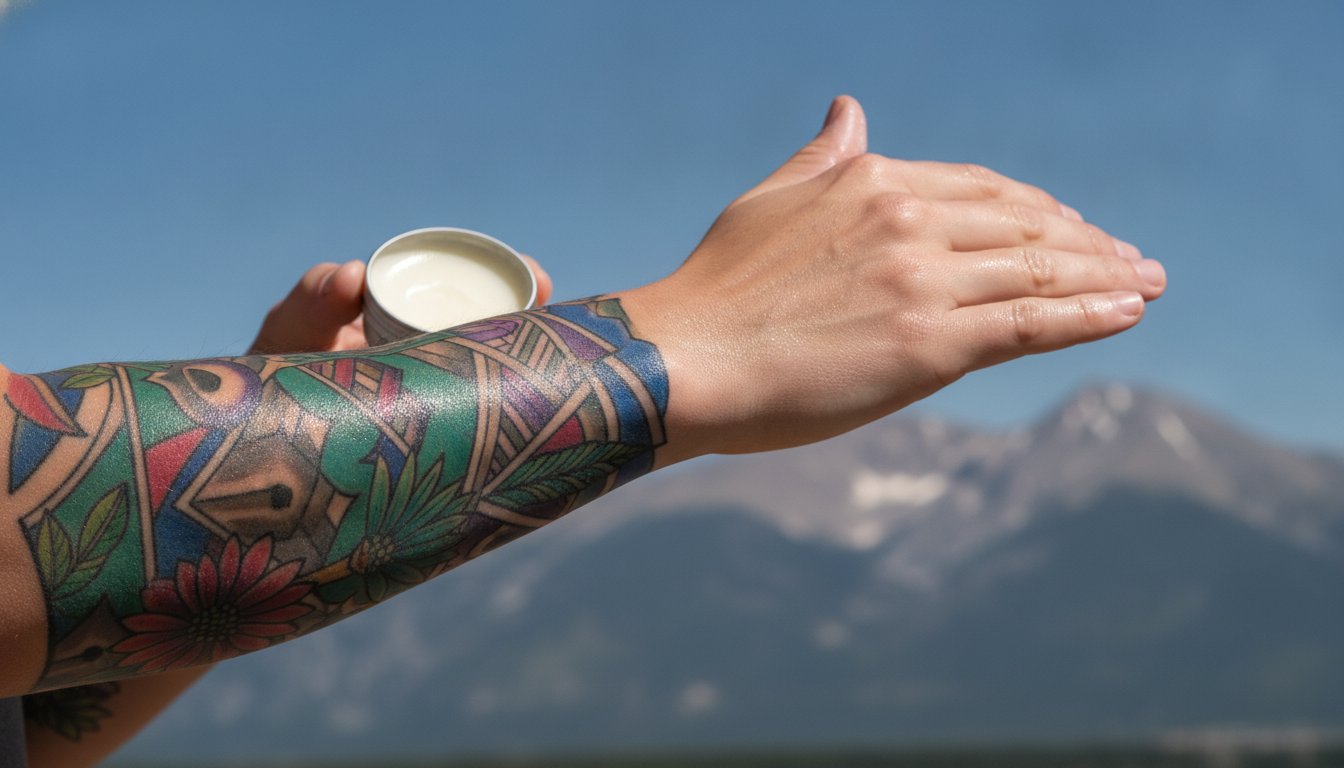
Living at 5,280 feet means your skin is under a constant environmental assault that most standard aftercare guides simply aren't designed to handle. If you've lived here through a few seasons, you know that the thin air and intense sun can be unforgiving. You've likely noticed your older ink losing its edge or felt that chronic tightness that comes with our high-desert humidity levels. Mastering long term tattoo care Colorado is about more than just aesthetics; it's about protecting a lifelong investment against a climate that's working to fade it.
It's frustrating to see a custom piece lose its vibrancy, but you don't have to settle for blurry lines or dull colors. This guide will show you how to maintain sharp linework and preserve deep saturation despite the high-altitude sun. We'll break down the essential habits for skin health, from choosing ink-safe sunscreens to establishing a disciplined hydration routine that stands up to the Colorado factor. You'll gain a clear, professional strategy to keep your body art looking as intentional and sharp as the day it was finished.
Key Takeaways
- Understand how Colorado's high altitude and thin atmosphere accelerate ink degradation compared to sea-level environments.
- Learn the specific hydration and topical barrier techniques required for effective long term tattoo care Colorado to prevent chronic dryness from dulling your art.
- Discover how daily lifestyle choices, including clothing friction and physical activity, impact the precision of your linework over several decades.
- Implement a seasonal maintenance schedule that shifts from moisture retention in the winter to intensive UV defense during peak outdoor months.
- Identify the subtle signs that distinguish natural aging from the need for a professional touch-up to keep your custom designs looking intentional.
The Colorado Challenge: Why Ink Care Differs at Altitude
Long-term tattoo care is more than a fleeting concern during the initial healing phase; it's the ongoing maintenance of the dermis and epidermis to prevent ink migration. While the first few weeks are critical for setting the ink, the subsequent years determine whether a piece remains a sharp work of art or fades into a blurry memory. This is especially true for those practicing long term tattoo care Colorado, where the environment presents unique biological hurdles. To truly preserve your ink, you must understand the tattoo aftercare fundamentals that keep the skin's structure intact and the pigment locked in place.
In cities like Englewood and Denver, the "Thin Air" factor isn't just a local saying. It's a physiological reality for your skin. Because there's less atmosphere to filter out solar radiation, UV rays are significantly more damaging here than at sea level. This constant exposure acts like a slow-motion laser treatment, gradually breaking down the chemical bonds of your ink. We view every tattoo as a collaborative effort. The artist provides the technical precision during the session, but the client acts as the steward of that work for the decades that follow. Without a specific strategy for the Colorado climate, even the best application can lose its luster.
The Impact of High-Altitude UV Radiation
High-altitude living demands a different level of vigilance. Both UV-A and UV-B rays penetrate the skin to reach the dermis, where they fragment ink pigments into smaller particles that the body's immune system can eventually carry away. In Colorado, altitude increases UV exposure by nearly 20% compared to coastal cities. With over 300 days of sunshine annually, your tattoos are essentially under a constant barrage of radiation. This accelerated breakdown is why black ink can turn blue or green and why vibrant colors can lose their saturation much faster than they would in a more overcast or lower-elevation environment.
Dry Climate and Skin Elasticity
Colorado's low humidity levels lead to high rates of transepidermal water loss (TEWL). When the skin loses its internal moisture, it becomes brittle and prone to micro-scaling. This creates a "frosted glass" effect over your tattoo; the ink is still there, but the dry, dead skin cells on the surface make it look dull and grey. For enthusiasts of fine line or realism styles, this lack of elasticity is particularly problematic. Sharp details rely on the skin's ability to remain supple and smooth. Denver residents require a more aggressive moisture barrier than those in humid climates to ensure the "ink canvas" remains clear and the linework stays defined. Consistent hydration is the only way to prevent the chronic dryness that leads to premature aging of your body art.
The 3 Pillars of Lifelong Ink Longevity
Maintaining the visual precision of your ink requires a shift in perspective. You aren't just caring for a design; you're preserving a biological layer that interacts with its environment every hour. Effective long term tattoo care Colorado rests on three foundational pillars: protection, internal hydration, and barrier restoration. When these habits are consistent, they prevent the gradual blurring and "bleeding" that can happen when skin health is neglected over years of high-altitude living.
Strategic UV shielding is your first line of defense. Many enthusiasts only reach for protection during a mountain hike or a day at the park. However, daily exposure through car windows or during brief walks is enough to trigger pigment breakdown. Consistent application ensures that the intricate details of a custom tattoo design stay as sharp as the day they were inked. UV rays don't take days off, even when the temperature drops.
Selecting an Ink-Safe Sunscreen
Mineral-based sunscreens containing Zinc Oxide or Titanium Dioxide are generally superior for long-term ink preservation. These physical blockers sit on the skin's surface to reflect UV rays rather than absorbing them into the tissue. It's essential to look for "Broad Spectrum" labels to protect against both UV-A (aging) and UV-B (burning) rays. When applying, use a thin, even layer. You want to avoid a thick, white paste that can trap heat and make the art look cloudy in the short term.
Topical Maintenance: Lotions vs. Oils
In our dry climate, the goal is to reinforce the skin's natural barrier without clogging pores. While heavy ointments are helpful for initial healing, they can be too occlusive for daily use over several years. Instead, look for light, daily moisturizers enriched with ceramides and hyaluronic acid. These ingredients help the skin retain moisture at a deeper level, which is critical for residents in the Denver metro area.
Always scrutinize the ingredient list before trying a new product. Alcohols and heavy synthetic fragrances are the primary enemies of longevity because they strip away natural oils and cause micro-inflammation. By prioritizing tattoo ink safety through high-quality topical care, you ensure the skin remains a clear, healthy window for your art.
Finally, remember that internal hydration is the foundation of the "ink canvas." No amount of lotion can compensate for a dehydrated body. Drinking adequate water keeps the dermis plump and elastic. This prevents the skin from becoming brittle, which helps maintain the structural integrity of geometric or fine-line work as you age.
Beyond the Surface: Lifestyle Habits for Vibrant Tattoos
While topical protection is vital, your daily lifestyle choices dictate how your ink ages over the decades. Effective long term tattoo care Colorado involves managing physical stressors that many enthusiasts overlook. For instance, the constant friction from abrasive fabrics like heavy denim or tight athletic gear can micro-exfoliate the epidermis over several years. This slow, mechanical process can eventually dull the saturation of your piece, making once-vibrant colors appear muted. Choosing softer base layers when wearing restrictive clothing can significantly reduce this wear on your skin's surface.
Nutrition also plays a silent but significant role in pigment retention. A diet rich in antioxidants, specifically vitamins C and E, supports the collagen structure that holds pigment in place within the dermis. Regarding water activities, many clients ask if they can ever enjoy a pool or hot tub again. While fully healed tattoos are perfectly safe for swimming, frequent exposure to chlorine and the high heat of hot tubs can dry out the skin prematurely. If you're a regular swimmer, apply a thin moisture barrier before getting in and rinse the area thoroughly afterward to prevent chemical buildup from sitting on your art.
Managing Skin Stretching and Distortion
Body composition changes are a natural part of life. Certain areas, such as the upper arms, stomach, and thighs, are more prone to distortion if muscle mass or weight fluctuates significantly. During our professional tattoo consultations, we discuss placement strategies that account for these long-term shifts. Skin elasticity is the primary factor in "ink spread" over time. By keeping the skin supple through proper skincare at high altitude, you provide the best biological foundation for your artwork to move with your body rather than distorting against it.
Environmental Protection Indoors
The Colorado environment doesn't stop at your front door. Indoor heating and air conditioning systems in Englewood and Denver strip moisture from the air, creating a surprisingly hostile environment for your skin. Using a humidifier during the harsh Englewood winters is one of the most effective ways to maintain the integrity of your "canvas." It's the cumulative effect of these small, daily habits that ensures your custom designs remain vibrant. Consistency is more valuable than any single "miracle" product; a steady routine of hydration and environmental control is what keeps ink sharp for twenty years or more.

Protecting Your Investment: A Seasonal Colorado Checklist
Colorado's climate shifts dramatically throughout the year, and your skin's needs change with the weather. A reactive approach often leads to the very fading and blurring we aim to avoid. By adopting a seasonal mindset for long term tattoo care Colorado, you can proactively defend your ink against the specific environmental stressors of the Rocky Mountain region. Each season requires a different focus to maintain the clarity and saturation of your work.
Spring serves as the critical transition period from April through June. As the snow melts and outdoor activity increases, the focus shifts from pure hydration to early UV defense. Fall, occurring in September and October, is the time for assessment. It's the ideal window to evaluate how your ink handled the summer sun and to begin repairing the skin barrier before the moisture-stripping winds of winter arrive. This cyclical maintenance ensures the dermis remains healthy enough to hold pigment securely for decades.
The Winter Moisture Protocol
From November to March, Denver's humidity can drop into the single digits. This environment aggressively draws moisture out of your skin, which can lead to micro-scaling that dulls your tattoo's appearance. During these months, switch to heavier barrier creams that contain occlusives to lock in hydration. Avoid long, steaming hot showers; while they feel good in the cold, they strip the natural oils that protect your pigment. For the most effective results, apply your moisturizer immediately after patting your skin dry to trap maximum hydration within the tissue.
Summer UV Defense in the Rockies
July and August represent the most challenging months for permanent body art. High-altitude sun exposure in Lakewood or during mountain festivals is intense. While sunscreen is essential, sun-protective clothing (UPF) offers the most reliable shielding for large pieces during extended hikes. If you rely on topical protection, remember that high-altitude UV levels require reapplication every 90 minutes, even if you aren't swimming or sweating heavily.
Post-sun care is equally important. After a day outdoors, use soothing agents like aloe or specialized aftercare lotions to calm the skin. Avoid products with heavy fragrances that might cause inflammation on sun-stressed tissue. If you notice your older pieces looking particularly dull after a summer season, it might be time for a professional assessment. You can schedule tattoo consultations to determine if your ink needs a restorative touch-up or if a change in your topical routine will suffice to bring back its original luster.
Professional Maintenance at Denver Tattoo Company
While daily habits form the bedrock of preservation, professional intervention is the second half of the equation. Longevity isn't just about what you do at home; it begins with how the ink was delivered. Jason Oz’s approach emphasizes that the initial application technique, balancing pigment depth with skin trauma, determines the 20-year outcome. A master artisan understands that a piece must be built to age. This technical foresight is a hallmark of long term tattoo care Colorado, ensuring that as the skin naturally shifts, the art remains legible and striking.
Maintaining a relationship with a dedicated studio in the Englewood area provides a consistent baseline for your skin health. We use consultations to assess the state of older pieces, looking past the surface to see how the dermis is holding the pigment. Sometimes, a piece doesn't need more ink; it needs better topical management. Other times, a strategic refresh can restore the original intent of a design that has weathered a decade of Colorado sun. We view this as a partnership that extends far beyond the final needle stroke of your first session.
The Art of the Touch-Up
Refreshing an older piece is a delicate process that requires a light touch. We focus on sharpening edges and restoring lost saturation while respecting the original art's "patina." Natural aging can actually add character to a tattoo, whereas preventable damage, like heavy UV scarring, requires a more technical correction. The rule is usually "less is more." We aim to reinforce the existing structure rather than overloading the skin with unnecessary new pigment, which can lead to blurring or "blowouts" in aged tissue.
Collaborative Longevity: Our Commitment
At Denver Tattoo Company, our commitment to your art doesn't end when the bandage is applied. We use premium inks and strictly sterile techniques to set the stage for a lifetime of vibrant work. For those considering complex, multi-session projects, starting with a professional consultation is the best way to plan for the future. It allows us to discuss placement and palette choices that will stand up to the specific demands of long term tattoo care Colorado.
Ultimately, the effort you put into preserving your ink is a form of self-respect. It honors the creative process and the permanence of the commitment you made. Tattoos are living investments rather than static images. When you treat them with the discipline they deserve, you ensure they remain a sharp, vibrant source of pride for as long as you wear them. Our studio stands ready as your creative partner in that lifelong journey of preservation.
Commit to the Future of Your Body Art
Your tattoo is a permanent expression of your identity, but its longevity depends on your commitment to the environment. By understanding the unique challenges of high-altitude UV exposure and maintaining a rigorous hydration routine, you ensure your ink remains a vibrant part of your story. Mastery of long term tattoo care Colorado isn't about grand gestures; it's about the small, daily choices that protect your skin's integrity and the artist's original vision. Consistency is the key to preventing the gradual blurring that can occur over decades.
At Denver Tattoo Company, we prioritize the technical safety and artistic permanence of every piece. Led by veteran artist Jason Oz, who brings over 20 years of experience, our studio uses premium inks and strict single-use sterilization to maximize the lifespan of your work. Whether you're planning a new intricate realism design or need an expert eye to evaluate an older piece, we're here to serve as your creative partner. Schedule a consultation with Denver Tattoo Company to discuss your next custom piece or assess a touch-up. Your art is a lifelong investment. With the right care and professional guidance, it will continue to look as sharp and intentional as the day it was created.
Frequently Asked Questions
How often should I moisturize my tattoo once it is fully healed?
You should apply a high-quality moisturizer at least once daily to maintain the health of your tattooed skin. In the specific context of long term tattoo care Colorado, a second application is often necessary during the winter months when humidity levels drop into the single digits. This routine prevents the micro-scaling that can make your ink look dull or grey over time.
Does the Colorado altitude really make tattoos fade faster?
Yes, the increased UV radiation at high altitude accelerates the breakdown of ink pigments in the dermis. Because there is less atmosphere to filter out solar rays in cities like Denver and Englewood, your skin receives a more concentrated dose of radiation. This process fragments the ink particles, making it easier for your immune system to gradually carry them away and fade the art.
Can I use regular body lotion on my 5-year-old tattoo?
You can use regular body lotion provided it is free from drying alcohols and heavy synthetic fragrances. While a 5-year-old tattoo is deeply integrated into your skin, the epidermis above it still needs quality ingredients like ceramides or hyaluronic acid to remain clear. Avoid products with thick petroleum bases that can trap heat and potentially cause irritation on sensitive skin.
What is the best SPF rating for protecting ink in Denver?
An SPF rating between 30 and 50 is the professional standard for protecting permanent body art in the Rocky Mountain region. Ratings higher than 50 often provide only marginal increases in actual protection while using much thicker formulas that can feel heavy. A broad-spectrum mineral sunscreen is your best defense against the intense solar radiation found at 5,280 feet.
Is it normal for my tattoo to look slightly blurry after 10 years?
Slight blurring is a natural biological result of ink migration as the skin ages over a decade. Your immune system slowly interacts with the pigment, and skin cells naturally shift, which softens the once-sharp edges of a design. Maintaining excellent skin elasticity through proper long term tattoo care Colorado can significantly slow this softening and keep your custom work legible for much longer.
Should I get a touch-up if my colors look dull, or just moisturize more?
You should try a disciplined moisturizing routine for at least two weeks before deciding on a professional touch-up. Often, what appears to be fading ink is actually a buildup of dry, dead skin cells obscuring the pigment. If the vibrancy doesn't return after consistent topical hydration, then it is time to schedule a consultation to discuss refreshing the saturation.
Does drinking more water actually help my tattoo look better?
Drinking adequate water is essential because it maintains the health and volume of the dermis where your ink resides. When the body is dehydrated, the skin loses its plumpness and becomes sallow, which causes the tattoo to appear flat or muted. Internal hydration ensures the skin remains a clear, healthy window that allows the colors of your art to shine through.
Can I still use exfoliating scrubs on my tattooed skin?
You can use gentle exfoliating scrubs on fully healed tattoos to remove the dulling layer of dead skin cells. However, it is important to avoid aggressive chemical peels or highly abrasive mechanical scrubs that could damage the skin's barrier. Light exfoliation once a week can actually improve the visual clarity of your tattoo by revealing the fresh skin underneath.


