What if the success of your next six-hour tattoo session was determined before the first drop of ink even touched your skin? Most people focus solely on the design, but your body's biological readiness is what truly dictates how long you can stay in the chair. It's natural to feel anxious about skin sensitivity or the possibility of tapping out early. Learning how to prepare for a long tattoo session is the difference between a grueling endurance test and a smooth, creative collaboration.
We understand that the permanence of a custom piece requires a serious commitment from both the artist and the client. You want optimized ink saturation and a faster initial healing phase without the confusion of conflicting online advice. This professional checklist outlines the specific physical, mental, and skin-level preparations needed to master a multi-hour session with ease. We will cover everything from hydration protocols and proper nutrition to the FDA's latest safety warnings on numbing agents. By the end of this guide, you will have a clear, methodical plan to ensure your skin is the perfect canvas for your next masterpiece.
Key Takeaways
- Understand the physiological impact of a long session and why securing eight hours of sleep is vital for managing your body's stress response.
- Learn the precise timeline for moisturizing and exfoliating to ensure your skin is supple and ready for optimal ink saturation.
- Gain a comprehensive checklist on how to prepare for a long tattoo session, including what to pack for blood sugar stability and the best attire for accessibility.
- Master mental strategies like box breathing and time-chunking to help you navigate the most challenging parts of a multi-hour project.
- Discover how a collaborative approach and professional environment in Englewood contribute to a smoother experience and superior long-term results.
The Physiology of the Marathon Tattoo Session
A six-hour tattoo session is more than a test of willpower; it is a significant physiological event. When you settle into the chair for a large-scale piece, your body interprets the repeated micro-trauma of the tattooing process as a physical threat. This triggers a systemic stress response, leading to a sustained adrenaline dump that can leave you feeling depleted if you aren't ready. Understanding how your body reacts is the first step in learning how to prepare for a long tattoo session properly.
Prioritizing rest is a foundational part of this preparation. Aim for at least eight hours of sleep for two consecutive nights before your appointment. This consistency helps regulate cortisol levels, ensuring your nervous system isn't already on edge when the session begins. A well-rested body manages pain signals more effectively than one struggling with sleep deprivation. Additionally, you must strictly avoid blood thinners for at least 48 hours. Alcohol and NSAIDs like aspirin or ibuprofen increase your heart rate and thin the blood, which can lead to excessive weeping during the session. This excess fluid can dilute the pigment and make it difficult for the artist to see their work, ultimately compromising the final saturation of your custom design.
Hydration and the High-Altitude Factor
In Englewood and the greater Denver area, the high altitude introduces a unique challenge: rapid dehydration. Thin, dry air pulls moisture from your body faster than at sea level, often leaving the skin feeling "papery" or inelastic. For a tattoo artist, dehydrated skin is difficult to work with and resists ink. To counter this, target a daily intake of at least 100 ounces of water for the three days leading up to your session. Don't rely on water alone. Incorporate electrolytes to maintain cellular balance, which is essential for enduring a long chair stint without experiencing muscle cramps or lightheadedness.
The Pre-Session Nutrition Protocol
Think of your pre-session meal as fuel for an endurance event. A high-protein breakfast paired with slow-burning complex carbohydrates, such as oatmeal with nuts or eggs with whole-grain toast, provides a steady release of energy. This prevents the sudden blood sugar crashes often associated with the mid-session adrenaline dip. While you might be tempted to grab an extra-large coffee to stay alert, avoid excessive caffeine on the morning of your appointment. Caffeine is a stimulant that can increase jitteriness and heart rate, making it harder to remain still. Instead, focus on Vitamin C intake through citrus or supplements. This antioxidant supports collagen production and skin resilience, helping your body manage the initial stages of healing more efficiently.
Professional Tattoo Skin Preparation Tips
The quality of your final piece depends heavily on the state of your skin before the needle even touches it. While internal hydration and rest provide the energy you need, external preparation ensures the tissue is resilient enough to withstand several hours of work. Following FDA tattoo safety guidelines regarding skin health helps minimize the risk of adverse reactions and ensures a cleaner application. When you understand how to prepare for a long tattoo session, you treat your skin like a professional-grade canvas rather than just a surface.
Establish a consistent moisturizing routine exactly seven days before your appointment. This window allows the skin to absorb nutrients and improve its natural elasticity without becoming overly saturated or "mushy" on the day of the session. Complement this with gentle exfoliation twice during that week to remove dead skin cells. However, you must stop all exfoliation 48 hours before your visit to avoid micro-abrasions. It's also vital to protect the area from the sun; we cannot tattoo sunburnt or peeling skin, and showing up with a burn will result in an immediate cancellation of your session to protect the integrity of the work.
Colorado Skin Conditioning
Living in Englewood means dealing with a high-desert climate that is notoriously hard on skin. The lack of humidity can make your skin brittle and prone to "chatter" during the tattooing process, which complicates fine-line work. To combat this, use lotions containing shea butter or cocoa butter, as these provide deep nourishment without the irritation often caused by heavy synthetic fragrances. Hydrated skin accepts ink more readily, requiring fewer passes from the artist and resulting in less overall trauma to the tissue. If you have questions about specific products, a tattoo consultation is the best way to get personalized advice for your skin type.
Managing Existing Skin Conditions
If you discover minor scrapes, bruises, or localized breakouts in the tattoo area, contact the studio immediately. Tattooing over compromised skin can lead to uneven healing or infection. You must also exercise extreme caution with numbing creams. Recent FDA warnings from 2024 and 2025 have flagged several popular brands, like TKTX and Pro Numb, as unapproved and potentially dangerous due to high lidocaine concentrations. Always consult with Jason Oz before applying any topical agents, as some products can change the skin's texture and hinder the ink's permanence. Healthy, well-maintained skin is the essential foundation of a tattoo designed to last twenty years or more.
The Ultimate Long-Session Survival Kit Checklist
Packing for a multi-hour appointment is an exercise in foresight. While the artist manages the technical execution, you are responsible for maintaining your own physical and mental equilibrium. Knowing how to prepare for a long tattoo session involves assembling a kit that addresses temperature fluctuations, blood sugar dips, and the inevitable mental fatigue. By arriving prepared, you allow the artist to focus entirely on the precision of the work without unnecessary interruptions.
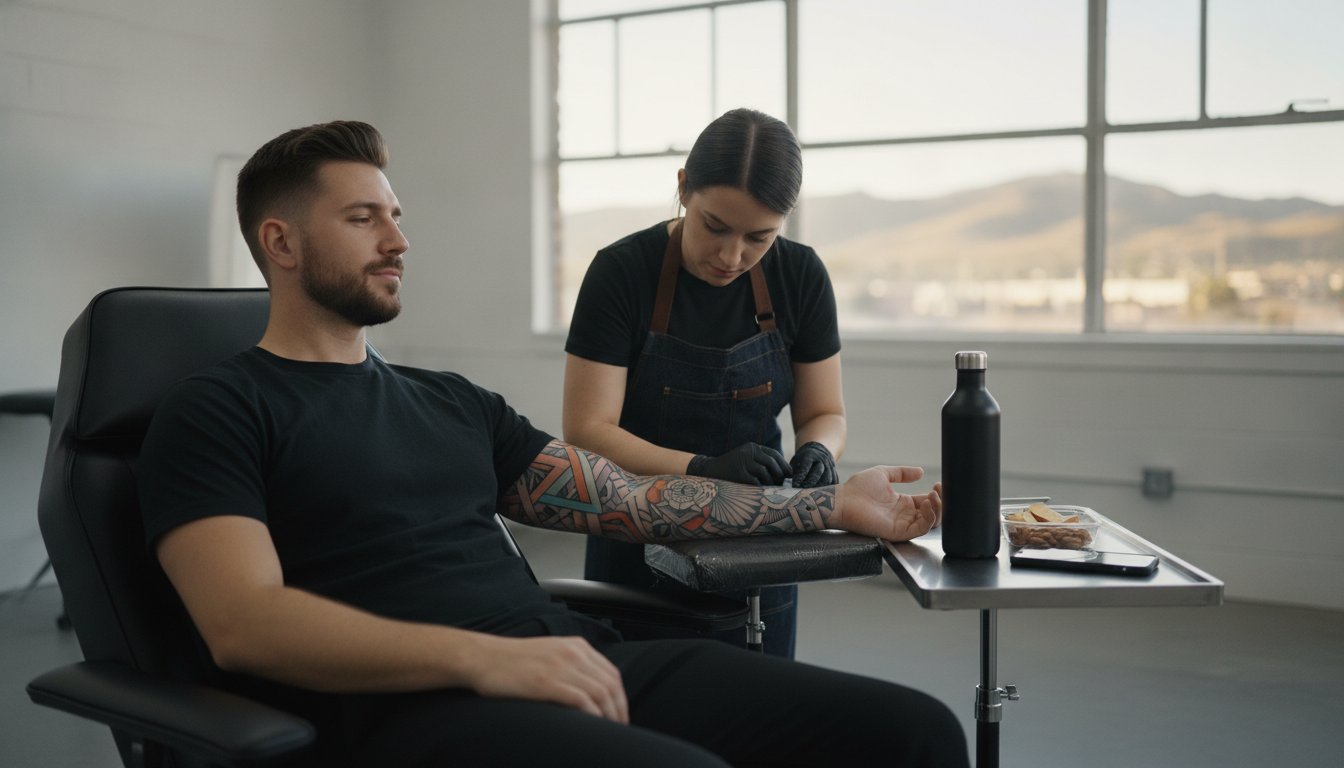
Start with your attire. Choose loose-fitting, dark-colored layers. Tattoo ink can occasionally splatter; wearing black or navy ensures that your favorite clothes aren't ruined by permanent stains. Studios are kept at specific temperatures to maintain a sterile environment, which often feels chilly during a long period of stillness. A small, clean blanket or a travel pillow can significantly enhance your comfort, especially when you are required to hold a specific position for hours. Understanding tattoo risks and precautions includes recognizing that physical discomfort can increase your heart rate and sensitivity, making the process more difficult for both parties.
Ergonomic Essentials for the Chair
Dress specifically for the placement of your art. If you are receiving a large back piece, a button-down shirt worn backward provides easy access while keeping your front covered. For leg work, loose shorts are preferable to rolled-up trousers, which can restrict circulation. Consider bringing a stress ball or a "fidget" item. These tools provide a physical outlet for managing sharp pain spikes during heavy lining or shading. Finally, bring a portable battery pack. While many studios offer outlets, a dedicated power source ensures your distractions remain uninterrupted even if the studio layout doesn't place you near a wall socket.
The "Emergency" Snack Bag
Your body burns through glucose rapidly when managing the pain of a long session. Pack "survival snacks" that provide a quick sugar boost to combat the inevitable adrenaline crash. These are distinct from "boredom snacks" meant only for passing time. To maintain a focused and professional environment, follow these guidelines:
- Glucose-rich options: Pack fruit, granola bars, or fruit leather for sustained energy.
- Hydration: Bring Gatorade or a reusable bottle with a straw for easy sipping while reclined.
- Studio etiquette: Avoid high-odor or messy foods to respect the shared space.
This level of preparation is a core part of how to prepare for a long tattoo session, ensuring the process remains a smooth, professional collaboration from start to finish.

Mental Fortitude and Pain Management Strategies
Mastering how to prepare for a long tattoo session involves more than just physical readiness; it requires a disciplined mental strategy. While your body manages the biological stress, your mind dictates how you perceive and react to the sensation of the needle. One of the most effective tools at your disposal is intentional breathwork. Using a technique like box breathing, where you inhale, hold, exhale, and hold for four seconds each, helps lower your heart rate and keeps your nervous system from entering a state of panic. This rhythmic breathing is particularly useful during heavy lining or when the artist moves into more sensitive areas.
Mental endurance is also a matter of perspective. Rather than viewing an eight-hour session as one daunting mountain, try "chunking" the time into manageable two-hour sprints. Focus only on the current block of time, allowing yourself to reset mentally during every break. It's also helpful to lean into the sensation rather than tensing against it. When you tense your muscles, you actually increase the resistance the artist feels and heighten your own pain perception. Achieving a "Zen" state where you remain limp and focused on your breath allows the session to proceed much more smoothly.
Collaborating with Your Artist
A successful multi-hour project is a partnership between you and your artist. Being a "good sitter" isn't about silent suffering; it's about clear, professional communication. Before the needle touches your skin, establish a "break signal" with your artist. This ensures you can step away if you feel lightheaded without interrupting a critical line. Trusting the process is easier when you're working with a seasoned expert. Relying on the 20 plus years of experience from veterans like Jason Oz allows you to relax, knowing the technical safety and artistic integrity of your piece are in capable hands. If you are ready to begin your next large-scale project, you can schedule a tattoo consultation to discuss your design and session plan.
Managing the "Adrenaline Crash"
Around the four-hour mark, a significant physiological shift occurs as the body's initial surge of pain-masking endorphins begins to wane. This is often when "tattoo flu" or feelings of lightheadedness and shivering can set in. Recognize these signs early and communicate them to your artist. Once the session concludes, your body will likely feel depleted as the adrenaline completely dissipates. For this reason, you shouldn't plan to drive yourself home immediately after a seven-hour sit. Give yourself at least thirty minutes to eat a snack, hydrate, and ensure your coordination has returned to normal before heading out.
Why Denver Tattoo Company is Built for Large-Scale Art
Choosing the right studio is the final, critical step in understanding how to prepare for a long tattoo session. In Englewood, Denver Tattoo Company has cultivated an environment specifically designed for the focus and endurance required for large-scale art. Our studio avoids the loud, chaotic atmosphere of high-volume shops, instead projecting an image of a clean, dedicated workspace where the craft is the primary focus. This disciplined environment allows both the artist and the client to maintain the concentration necessary for intricate, multi-hour projects.
The veteran advantage is central to our process. Led by 20-year veteran Jason Oz, our team understands that efficiency is a form of comfort. An experienced hand works with precision, achieving better ink saturation with fewer passes, which reduces the overall trauma to your skin. We maintain the highest safety standards by using only single-use sterilized equipment and premium inks. This commitment to hygiene and technical safety ensures that your custom piece is not only beautiful upon completion but is also built for longevity and a healthy healing phase.
Planning Your Custom Piece
A successful multi-hour session begins long before the first needle is set. We believe in a collaborative creative process that starts with mapping out your anatomy and the flow of the design. During our planning phase, we provide realistic estimates for intricate realism or detailed black and grey work. This transparency helps you manage your expectations and physical energy throughout the project. When you're ready to start your journey, you can Schedule a Tattoo Consultation in Denver to discuss your vision and session structure.
The Englewood Studio Experience
Our studio is built to be a steady hand in your creative journey. We provide a professional and welcoming atmosphere where the standards of a master artisan are evident in every detail. Clients who have completed full-day sessions with us often highlight the quiet confidence of the environment and the meticulous attention paid to their comfort. This structured experience is designed to put you at ease, providing a comprehensive overview of the process that feels thorough but never overwhelming. To begin your large-scale project, Book your next custom session with Jason Oz and experience a studio dedicated to the permanence of the work.
Preparing for Your Next Large-Scale Masterpiece
A successful multi-hour project is the result of meticulous planning and a shared commitment to the craft. By prioritizing your body's physiological needs and conditioning your skin for the unique high-desert climate of Colorado, you create the ideal environment for high-detail work to thrive. We have explored the essential pillars of endurance, from blood sugar management to the mental discipline of box breathing. Mastering how to prepare for a long tattoo session ensures that your experience is as rewarding as the permanent art you'll carry for a lifetime.
When you're ready to transform your vision into a reality, rely on the steady hand of a seasoned expert. With over 20 years of professional experience, Jason Oz specializes in custom, high-detail artwork within Englewood’s premier sterile tattoo environment. We view every large-scale piece as a collaborative journey and a dedicated creative process. Book your long-session consultation with Jason Oz today to begin the process. We look forward to working together to create something truly exceptional.
Frequently Asked Questions
How long is a "long" tattoo session?
A long session typically refers to any appointment lasting between four and eight hours. While smaller pieces might take an hour or two, large-scale custom designs often require a full day in the chair to complete significant portions of the work. These sessions are treated as endurance events. They require the specific physical and mental preparation strategies discussed throughout this guide to ensure both the artist and the client can maintain their focus.
Can I take ibuprofen before my tattoo to help with the pain?
No, you should avoid taking ibuprofen or aspirin for at least 48 hours before your appointment. These are non-steroidal anti-inflammatory drugs (NSAIDs) that act as blood thinners, which can lead to excessive bleeding during the process. This excess fluid can make it difficult for the artist to see the design and may dilute the ink. Stick to acetaminophen if necessary, as it doesn't have the same thinning effect on your blood.
Should I shave the area myself before coming to the studio?
It is generally better to let your artist handle the shaving at the studio immediately before the session begins. Professional artists use single-use razors to ensure a sterile field and to prevent razor burn or micro-cuts that can occur with home shaving. If the skin is irritated or cut, it cannot be tattooed safely. Allowing the expert to prepare the skin ensures the surface is optimal for the needle and the pigment.
What is the best thing to eat before a 6-hour tattoo session?
The ideal pre-session meal consists of lean proteins and slow-burning complex carbohydrates, such as oatmeal with fruit or eggs with whole-grain toast. This combination provides a steady release of energy and helps stabilize your blood sugar throughout the day. Stable glucose levels are essential when considering how to prepare for a long tattoo session, as they help you manage the adrenaline dump and prevent lightheadedness during the later hours.
Is it okay to use numbing cream for a full-day session?
You must consult with your artist before applying any numbing agents. The FDA issued warnings in 2024 and 2026 regarding over-the-counter products like TKTX that contain lidocaine concentrations above 4%. These unapproved products can cause serious health risks and may alter the skin's texture, making it harder for the ink to saturate. Understanding the safety risks of topical analgesics is a vital part of learning how to prepare for a long tattoo session safely.
What happens if I need to stop the session early?
If you feel you have reached your physical or mental limit, we will stop the session immediately and find a natural breaking point in the design. There is no shame in ending a session early; forcing your body beyond its limits can lead to poor healing or a difficult experience. We will simply schedule a follow-up appointment to complete the work once your body has had adequate time to recover and reset.
How many breaks should I expect during an all-day tattoo?
You can typically expect a short break every two to three hours, along with a longer mid-session break for a substantial snack or meal. These intervals allow you to stretch, hydrate, and reset your mental focus. Frequent, short breaks are often more effective than one long pause. They prevent the skin from tightening too much, which can make returning to the chair feel more sensitive than it needs to be.
Can I bring a friend to sit with me during a long session?
While we understand the desire for support, we generally recommend coming alone to maintain a focused and sterile environment. Long sessions require intense concentration from the artist and a quiet state from the client. Friends can often become a distraction or inadvertently crowd the workspace. If you feel a companion is necessary, please discuss this during your initial consultation so we can ensure the studio's professional standards are maintained.


